
Why Monthly Budgets Fail (And Why Budgeting Around Your Paycheck Actually Works)
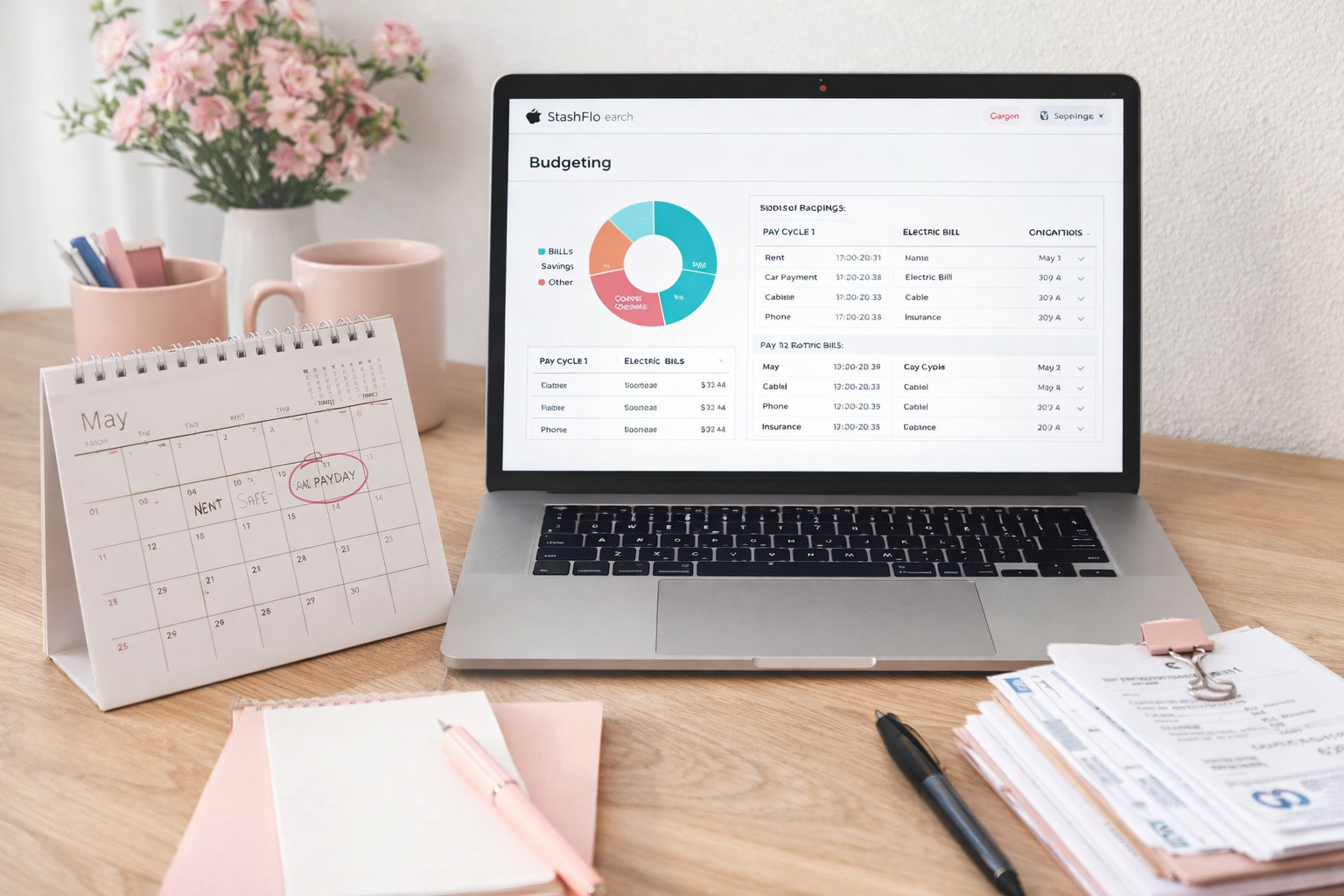
Why Monthly Budgets Don’t Work for Most People
Most budgeting advice assumes something that simply isn’t true for many people: That everyone gets paid once per month.
But in reality, people are paid in many different ways:
Every two weeks
Twice a month
Weekly
Sometimes irregularly
Yet most budgeting tools still force you to think in monthly buckets. This creates a huge problem. You may have enough money for the month overall, but you might not have enough before your next paycheck. And that’s when people feel like their budget “isn’t working.”
The Real Problem: Timing
Let’s look at a simple example.
You get paid:
May 1
May 15
Your bills:
Rent – May 1
Car payment – May 5
Electric – May 12
Internet – May 18
A traditional monthly budget just says: “You have $2,500 income and $2,000 expenses this month.” That sounds fine. But if most of your bills come before your second paycheck, you could run short of cash even though the monthly numbers technically work. This is why people feel like they are constantly juggling money.
Budgeting Around Paychecks Instead
A better approach is to organize your budget around pay cycles, not calendar months.
This means looking at your money like this:
Pay Cycle 1 (May 1 – May 14)
Income: $1,250
Bills due:
Rent
Car payment
Electric
Pay Cycle 2 (May 15 – May 31)
Income: $1,250
Bills due:
Internet
Phone
Insurance
Now you can clearly see what needs to be covered before your next paycheck. This removes the guesswork.
The Other Common Problem: Losing Track of Bills
Another frustration people run into is simply remembering:
Which bills are already paid
Which bills are still coming up
Confirmation numbers and payment notes
Many people try to solve this with:
Spreadsheets
Calendar reminders
Sticky notes
Multiple banking apps
But those systems get messy quickly.
A Simpler Way to Stay Organized
That’s exactly why tools like StashFlo exist. Instead of forcing you into complicated budgeting systems, StashFlo focuses on something much simpler: Keeping your bills organized around your paydays.
With StashFlo you can:
Track which bills are paid vs unpaid
See upcoming bills before your next paycheck
Store payment notes and confirmation numbers
View your bill history by pay cycle
No spreadsheets. No complicated budgeting rules. Just a clear picture of what’s due and what’s already handled.
The Goal: Less Stress Around Money
Budgeting shouldn’t feel overwhelming. Often the biggest improvement comes from simply seeing your bills clearly and organizing them around your paychecks.
When you know:
what’s already paid
what’s coming next
and what needs to be covered before your next paycheck
… managing your money becomes much less stressful.
Try Paycheck-Based Budgeting Yourself
If you’ve struggled with traditional monthly budgets, try organizing your bills around your paydays instead. You may find it’s a much more natural way to manage your money. And if you want a simple tool designed specifically for that approach, StashFlo was built to help.
Finally know which bills are paid and what’s coming next
Track bills around your paydays, store payment notes and confirmation numbers, and stop guessing.
Start FreeGet simple paycheck-based budgeting tips
Occasional emails. No spam. Unsubscribe any time.