
Budgeting Made Simple: How to Track Bills, Avoid Late Fees, and Stay Organized
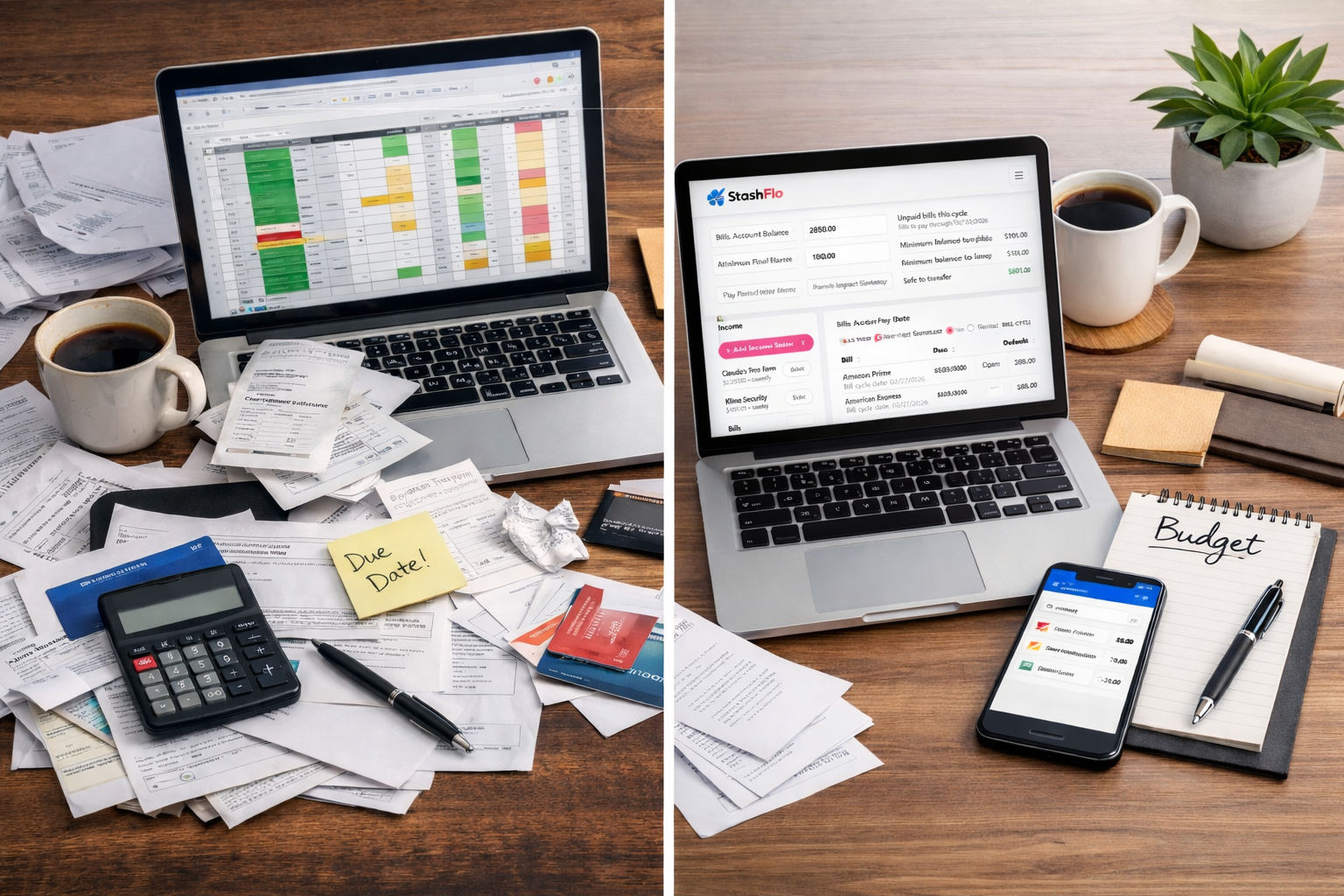
Budgeting Made Simple: How to Track Bills, Avoid Late Fees, and Stay Organized
Budgeting sounds simple in theory.
Spend less than you earn. Pay bills on time. Track your expenses.
But in real life, managing money can quickly turn into a complicated mess of spreadsheets, reminders, and bank notifications. Between rent, utilities, subscriptions, insurance payments, and credit cards, it's easy to lose track of what’s due and when.
For many people, the hardest part of budgeting isn't controlling spending. It's simply keeping track of everything.
Why Budgeting Feels Overwhelming
Most people start their budgeting journey with good intentions.
They open a spreadsheet, list their bills, and try to track every payment. For a while, it works.
Then life gets busy.
A bill changes. A subscription renews earlier than expected. A yearly payment appears that wasn't in the spreadsheet. Suddenly the system you built no longer reflects reality.
Now you're left asking questions like:
-
Did I already pay this bill?
-
When is the electricity due?
-
Why is my bank balance lower than expected?
-
Did that subscription renew this month?
This uncertainty creates financial stress, even when you're technically doing everything right.
The Problem With Tracking Bills in Spreadsheets
Spreadsheets are powerful tools, but they come with one big drawback.
They require constant manual updates.
Every time a bill changes, you must update the spreadsheet. Every payment must be entered manually. Miss a few updates and the numbers stop matching your bank account.
When that happens, people stop trusting the spreadsheet. And when the system stops working, budgeting falls apart.
The result?
Late fees, missed payments, and the frustrating feeling of not being in control of your finances.
Why Paying Bills on Time Is Harder Than It Should Be
Most households manage 10 to 25 recurring bills each month.
These can include:
-
Rent or mortgage
-
Utilities
-
Internet
-
Insurance
-
Streaming services
-
Credit cards
-
Phone plans
-
Subscriptions
-
Annual services
Some bills are due monthly, others quarterly or yearly. A few may vary each month.
Trying to remember all of this without a centralized system is difficult. Even organized people struggle to keep everything straight.
And unfortunately, forgetting just one payment can lead to late fees or penalties.
What a Good Bill Tracking System Should Do
A good financial system shouldn’t make life harder.
Instead, it should help you:
• See all your bills in one place
• Know what's due next
• Track what's already been paid
• Avoid late fees and missed payments
• Stay organized without constant updates
In short, it should simplify your finances instead of adding more work.
A Simpler Way to Track Bills
This is exactly the problem StashFlo was built to solve.
StashFlo helps you organize your bills so you can clearly see what’s coming up and what’s already been handled. Instead of juggling spreadsheets, notes, and reminders, everything is stored in one easy-to-view place.
With StashFlo you can:
-
Track recurring and one-time bills
-
View upcoming payments
-
Organize your monthly expenses
-
Keep your finances clear and predictable
The goal isn't to complicate budgeting. It's to make it easier.
Budgeting Should Reduce Stress
Financial organization shouldn't feel like a part-time job.
When you can quickly see your bills and upcoming payments, budgeting becomes much simpler. You spend less time tracking numbers and more time making confident financial decisions.
No more wondering if you forgot something.
No more digging through spreadsheets.
No more surprise payments.
Just a clear view of your finances.
Take Control of Your Bills Today
If you're tired of tracking bills across spreadsheets, calendars, and notes, it may be time for a better system.
StashFlo helps you stay organized, pay bills on time, and manage your finances with less stress.
Visit StashFlo.com to start organizing your bills today.
Finally know which bills are paid and what’s coming next
Track bills around your paydays, store payment notes and confirmation numbers, and stop guessing.
Start FreeGet simple paycheck-based budgeting tips
Occasional emails. No spam. Unsubscribe any time.